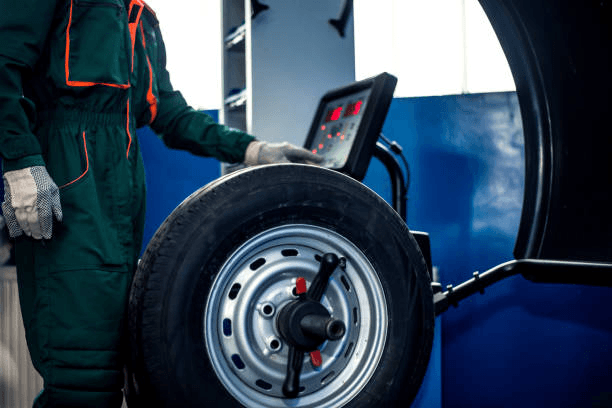

Rotating your tires spreads the workload across all four corners so tread wears uniformly, handling stays predictable, and your set lasts longer.
Seeing uneven tread?
Fronts and rears do different jobs—rotation keeps the wear balanced and grip consistent.
Highway hum or cupping?
Irregular wear can start quietly. Regular rotations help stop patterns before they set in.
Just mounted new tires?
Start strong—rotate on schedule so your investment wears evenly from mile one.
A tire rotation is a routine service that moves each tire to a new position on the vehicle so all four share the workload. Because steering and braking loads aren’t identical front-to-rear, rotating prevents one pair from wearing out early.
Most manufacturers recommend rotations at regular mileage intervals. Pairing rotations with oil changes is an easy way to keep the schedule on track.
Rotation also gives us a chance to inspect tread depth, look for abnormal wear, set pressures, and spot anything that could become a safety issue.
We move each tire to its next position using the correct pattern for your vehicle, set pressures, and note any wear that needs attention.
Front and rear positions see different loads from steering, braking, and drive torque. Rotation shares that work across all four tires so wear stays even and performance feels the same over time.
Follow your owner’s manual. If there’s no schedule listed, a good rule is about every 5,000 miles—often the same time you change your oil. Regular intervals prevent small wear differences from becoming big problems.
It depends on tire type and drivetrain. Symmetric, non-directional tires can cross from side to side, while directional tires usually move front-to-rear on the same side. We choose the correct pattern for your setup at each visit.
Feathered edges, cupping, or one axle wearing faster than the other are common clues. You may also hear a low hum that rises with speed. Rotating on schedule helps stop these patterns from setting in.
We follow the proper pattern for your vehicle, set tire pressures to spec, and check tread depth and wear patterns. If we spot anything unusual—like a directional tire mounted the wrong way or uneven wear—we’ll point it out with recommendations.
Keep your ride smooth and your tires lasting longer with a full range of maintenance options.
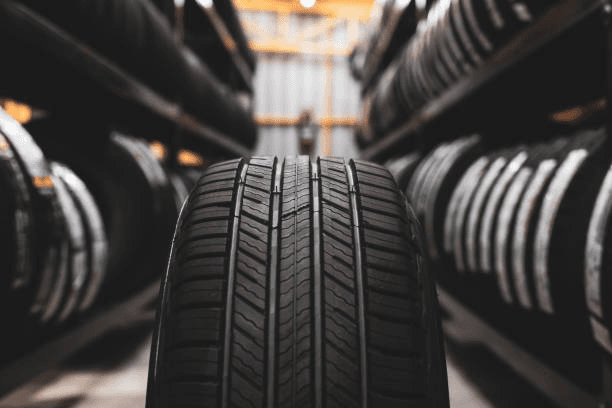
Need a repair or new tires? We’ve got you covered.